
#9: He Adopts Isolationist Views on World War II in the Late 1930s
In the late 1930s and early 1940s, he held isolationist views regarding World War II, reflecting a position shared by segments of the American left before the United States entered the conflict. At the time, many argued that the country should avoid another overseas war.
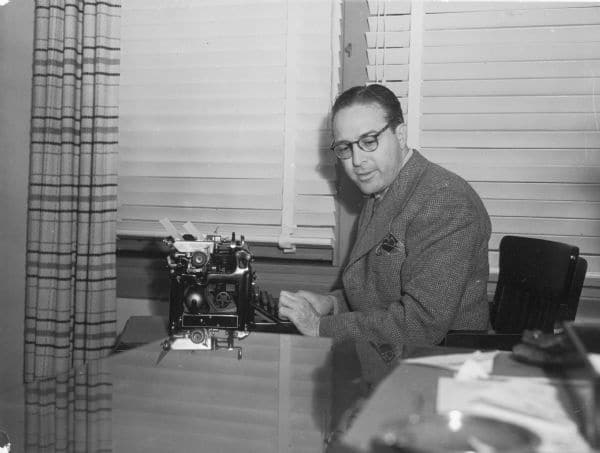
This stance later became controversial, especially as global events escalated. His views were not unusual for certain political circles, but they would later be used to criticize him. The shift in public opinion after Pearl Harbor made earlier isolationist positions appear suspect in hindsight.